"Vocalise" — When We Speak Without Words. Eda Zari
With Vocalise, Op. 34 No. 14, Sergei Rachmaninoff wrote a “song” without text, entrusted entirely to the expressive potential of the singing voice. The work inhabits a register that, I would say, lies beautifully across many instruments as well — especially th
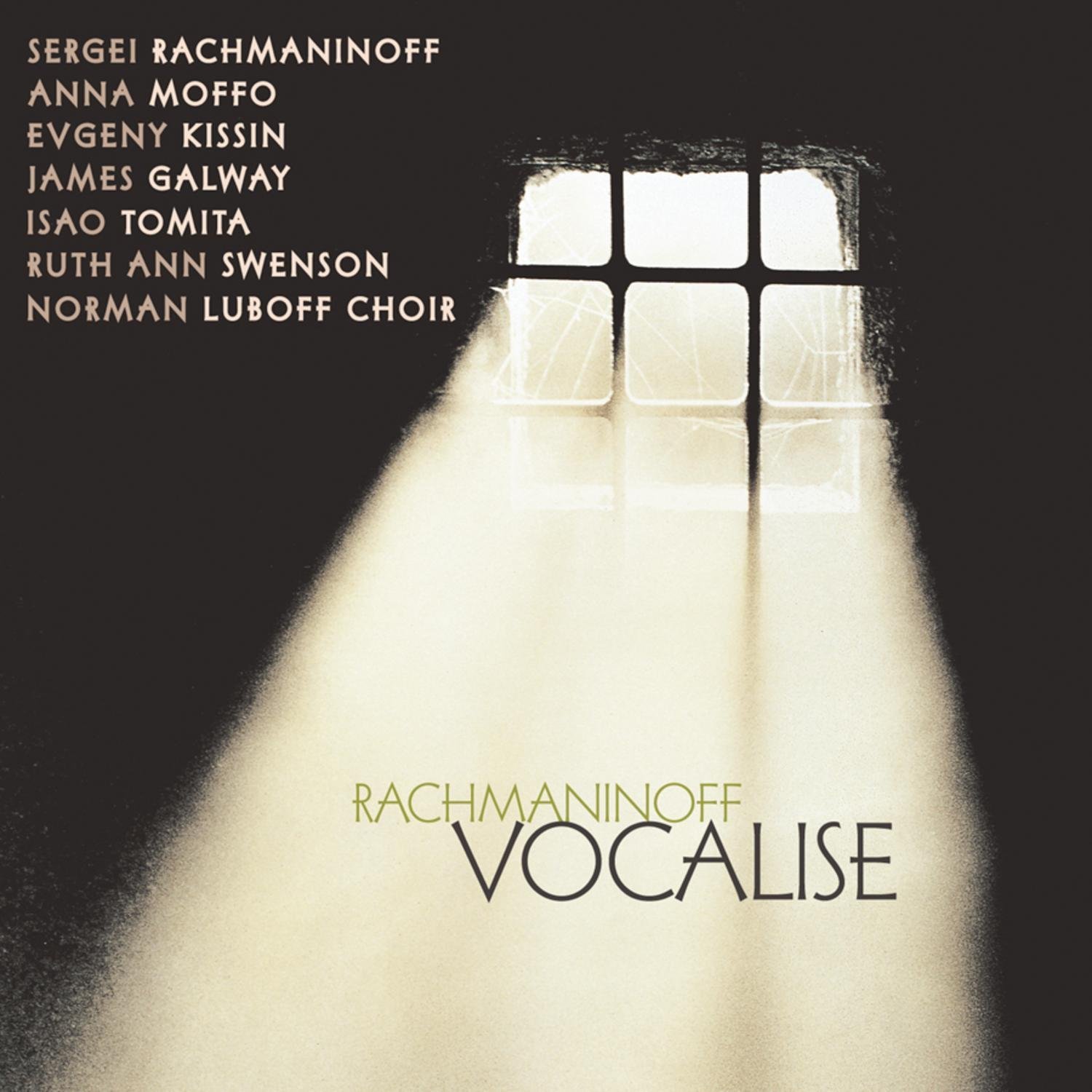
With Vocalise, Op. 34 No. 14, Sergei Rachmaninoff wrote a “song” without text, entrusted entirely to the expressive potential of the singing voice. The work inhabits a register that, I would say, lies beautifully across many instruments as well — especially the cello.
Whenever I hear the version sung by Anna Moffo, I feel compelled to turn the vinyl over and grant myself, again and again, an encore.
“Why should words be necessary when the singing voice can express everything better and far more than anyone could express through words?” Rachmaninoff wrote.
In other words, this is not about the Word. It is about the most lucid, transparent form through which the soul transmits itself to the vocal cords — the first sounding organ of the most refined human expression.
A vocalise needs only two or three vowels to carry longing, fever, shock, tenderness — or the greatest of them all: love.
In Vocalise I surrender to the current of a vocal miracle: cantabile, melodic, suspended. This is where the meaning of harmonic overtones begins to delight me. Anna’s pianissimi, with vibrato sometimes dark, sometimes crystalline, seem almost to arrive from that imagined moment when the tone has not yet dissolved.
The lines seem embroidered for the very nature of a singer’s voice — for cantilena, breath and impeccable diaphragmatic technique. Perhaps the true “culprit” is simply the endless grace of the melody.
The coda does not resolve immediately into the tonic. It lifts you emotionally and leaves you, beautifully, in mid-air — waiting. The delayed arrival of the fundamental note becomes a kind of devilish artistic play: a suspended notation inside an extended melodic line, whether the tone is approached from below or from above.
Rachmaninoff himself was a sober, disciplined interpreter, one of those rare composers who forged an unmistakable musical identity. His works are often performed today with a heavy Romantic empathy — particularly a certain static sentimentality in Western European interpretation — yet his own performances could be strikingly direct and modern.
Unlike many contemporaries who embraced the Romantic idiom as a manner of interpretation, Rachmaninoff played his own music and that of others with remarkable clarity.
He spent twenty-five years in exile. People wrote that, away from his homeland, he had ceased to compose. His own words are often recalled: after leaving Russia, the desire to compose faded; with the loss of home, he felt he had lost himself. A person torn from roots, traditions and native soil may find no antidote except the indestructible language of memories clothed in mist.
That thought awakens an inner ache in me. And so I like to imagine Vocalise as Sergei’s wordless language of longing and memory.
© 2020 Eda Zari. All rights reserved.
CONTINUE READING →