The Carpet Weavers of Kujan-Bulak Honor Lenin — Bertolt Brecht
Eda Zari’s Albanian translation of Bertolt Brecht’s poem about the carpet weavers of Kujan-Bulak, who honor Lenin not with a plaster bust but by using the money to fight malaria in their village.
Bertolt Brecht English rendering cross-checked against the German original and Eda Zari’s Albanian translation
The Carpet Weavers of Kujan-Bulak Honor Lenin
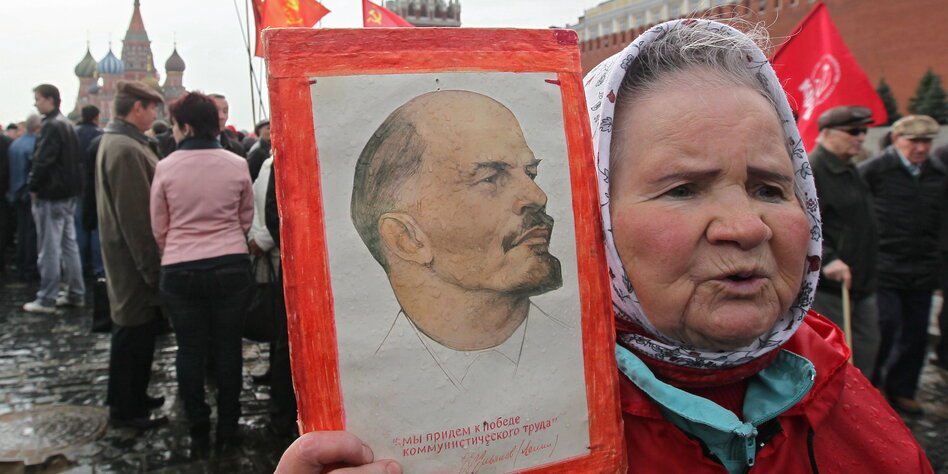
Often, and lavishly, Comrade Lenin has been honored. There are busts and statues. Cities bear his name, and children too. Speeches are delivered in many languages; there are assemblies and demonstrations from Shanghai to Chicago, in Lenin’s honor.
But this is how the carpet weavers of Kujan-Bulak honored him, a small place in southern Turkestan:
Twenty carpet weavers rise there in the evenings, fever-shaken, from their wretched looms. Fever makes the rounds: the railway station is filled with the buzzing of a dense cloud of mosquitoes rising from the swamp behind the old camel cemetery.
But the railway, which every two weeks brings water and smoke, also brings, one day, the news that the day for honoring Comrade Lenin is approaching.
And the people of Kujan-Bulak decide — poor people, carpet weavers — that in their settlement too a plaster bust of Comrade Lenin should be erected.
Yet when the money for the bust is collected, they all stand there trembling with fever, counting out with unsteady hands the kopeks they have earned with such difficulty.
And the Red Army soldier Stepa Gamalew, who counts carefully and observes exactly, sees their readiness to honor Lenin and is pleased; but he also sees those uncertain hands.
Suddenly he proposes that the money intended for the bust be used to buy kerosene and pour it over the swamp behind the old camel cemetery, where the mosquitoes come from that spread the fever.
In other words: fight the fever in Kujan-Bulak — in honor of the dead, but not forgotten, Comrade Lenin.
They agree.
On the day of the commemoration they carry out their battered buckets, filled with black kerosene, one after another, and pour it over the swamp.
Thus they help themselves by honoring Lenin, and honor Lenin by helping themselves, because they have understood him.
We have heard how the people of Kujan-Bulak honored Lenin.
That evening, after the kerosene had been bought and poured over the swamp, a man stood up at the meeting and demanded that a plaque be placed at the railway station reporting what had happened, including the exact revised plan and the exchange of Lenin’s bust for the barrel of fever-killing kerosene.
And all of this in Lenin’s honor.
And they did that too: they put up the plaque.
Original German
Die Teppichweber von Kujan-Bulak ehren Lenin
Oftmals wurde geehrt und ausgiebig Der Genosse Lenin. Büsten gibt es und Standbilder. Städte werden nach ihm benannt und Kinder. Reden werden gehalten in vielerlei Sprachen Versammlungen gibt es und Demonstrationen Von Shanghai bis Chicago, Lenin zu Ehren.
So aber ehrten ihn die Teppichweber von Kujan-Bulak Kleiner Ort im südlichen Turkestan: Zwanzig Teppichweber stehn dort abends Fiebergeschüttelt auf von dem ärmlichen Webstuhl. Fieber geht um: die Bahnstation Ist erfüllt von dem Summen der Stechmücken dicker Wolke Die sich erhebt aus dem Sumpf hinter dem alten Kamelfriedhof.
Aber die Eisenbahn, die Alle zwei Wochen Wasser und Rauch bringt, bringt Eines Tages die Nachricht auch Daß der Tag der Ehrung des Genossen Lenin bevorsteht, Und es beschließen die Leute von Kujan-Bulak Arme Leute, Teppichweber Daß dem Genossen Lenin auch in ihrer Ortschaft Aufgestellt werde die gipserne Büste.
Als nun aber das Geld gesammelt wird für die Büste Stehen sie alle geschüttelt vom Fieber und zahlen Ihre mühsam erworbenen Kopeken mit fliegenden Händen.
Und der Rotarmist Stepa Gamalew, der Sorgsam Zählende und genau Schauende Sieht die Bereitschaft, Lenin zu ehren, und freut sich Aber er sieht auch die unsicheren Hände.
Und er macht plötzlich den Vorschlag Mit dem Geld für die Büste Petroleum zu kaufen und Es auf den Sumpf zu gießen hinter dem alten Kamelfriedhof Von dem her die Stechmücken kommen, welche Das Fieber erzeugen.
So also das Fieber zu bekämpfen in Kujan-Bulak, und zwar Zu Ehren des gestorbenen, aber Nicht zu vergessenden Genossen Lenin.
Sie beschlossen es.
An dem Tage der Ehrung trugen sie Ihre zerbeulten Eimer, gefüllt mit dem schwarzen Petroleum Einer hinter dem anderen hinaus Und begossen den Sumpf damit.
So nützten sie sich, indem sie Lenin ehrten und Ehrten ihn, indem sie sich nützten, und hatten ihn Also verstanden.
Wir haben gehört, wie die Leute von Kujan-Bulak Lenin ehrten.
Als nun am Abend Das Petroleum gekauft und ausgegossen über dem Sumpf war Stand ein Mann auf in der Versammlung, und der verlangte Daß eine Tafel angebracht würde an der Bahnstation Mit dem Bericht dieses Vorgangs, enthaltend Auch genau den geänderten Plan und den Eintausch Der Leninbüste gegen die fiebervernichtende Tonne Petroleum.
Und dies alles zu Ehren Lenins.
Und sie machten auch das noch Und setzten die Tafel.
Albanian translation: Eda Zari Photo: dpa
© Eda Zari, 9 August 2021. All rights reserved.
CONTINUE READING →